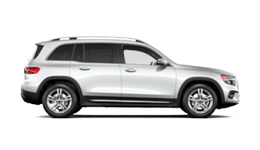
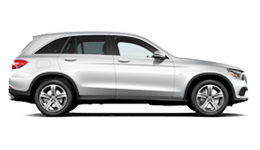
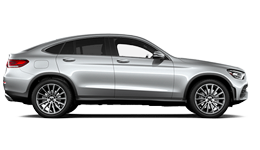
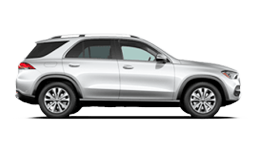
Automotive experts worldwide recognize Mercedes-Benz engines for their perfect balance of power and efficiency. The brand’s rich history is marked by innovation, from producing the first gasoline-powered car to creating high-performance hybrid electric powertrains.
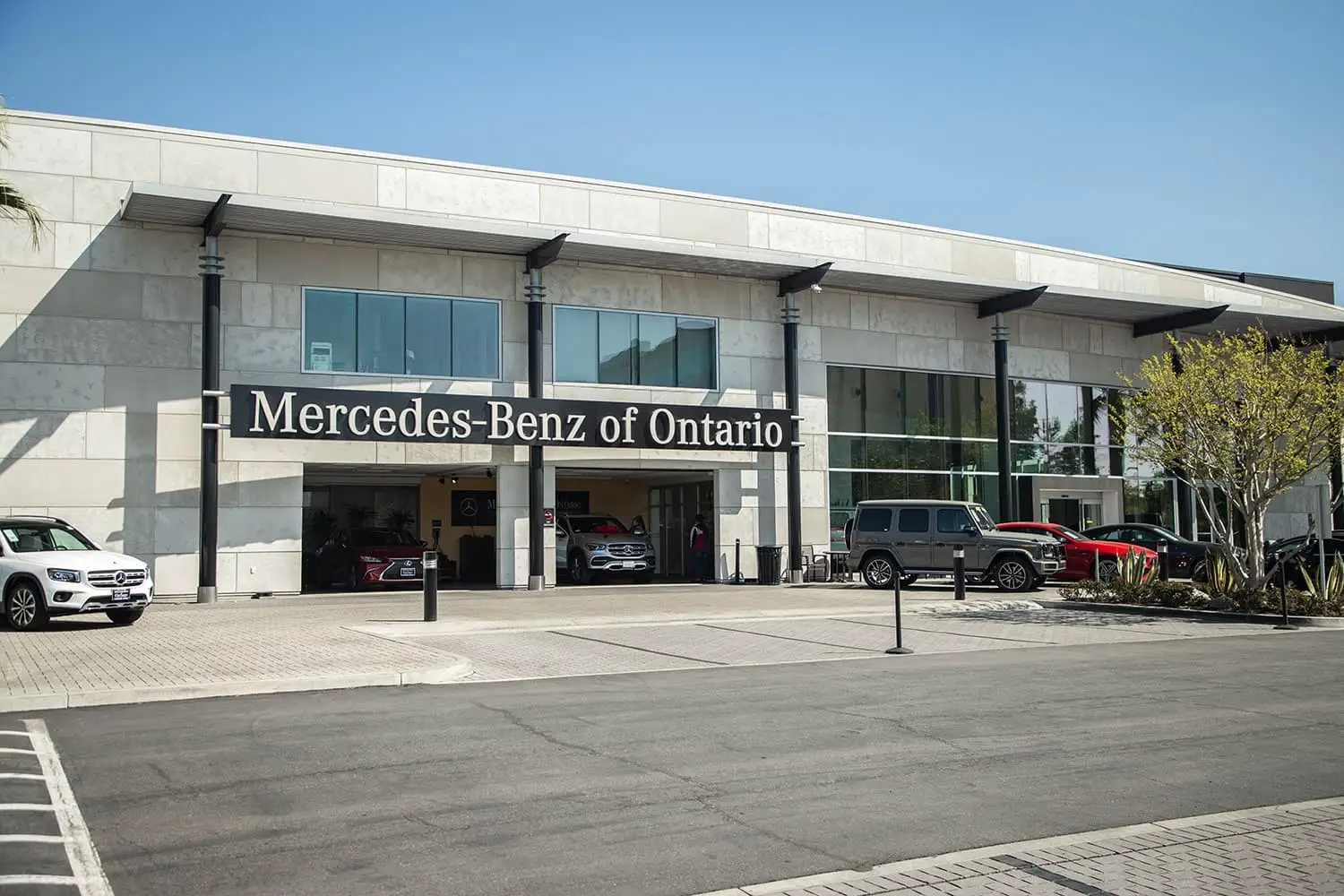
Discover more about the evolution of Mercedes-Benz engines and explore the current engine options available with the models in the new Mercedes-Benz inventory at Mercedes-Benz of Ontario. If you’re eager to experience everything a new Mercedes-Benz has to offer, schedule a test drive of the luxury car or SUV that will enhance your Rancho Cucamonga driving experience today.
The history and development of Mercedes-Benz engines span from the late 19th century to today. The following timeline traces the history and evolution of Mercedes-Benz engines:
1886: Carl Benz patents a gasoline-powered engine for his three-wheeled Patent-Motorwagen, which is widely recognized as the first automobile driven by an internal combustion engine
1886: Gottlieb Daimler and Wilhelm Maybach independently developed a four-stroke engine and installed it in a motorized carriage, creating the first four-wheeled automobile
1897: Carl Benz introduced the world's first two-cylinder boxer engine
1901: The honeycomb radiator is designed to enhance engine cooling significantly
1906: Mercedes-Benz develops battery-electric and hybrid propulsion systems
1910: The Benz Special Touring Car was the first to have a multivalve engine, with four valves per cylinder
1919: Benz & Cie. patents a pre-chamber design for diesel engines
1921: The introduction of a supercharged engine with a compressor-driven system greatly boosts power by pressurizing the fuel-air mixture
1928: The Mercedes-Benz 18/80 PS Nürburg 460 (W 08) debuts with an advanced straight-eight engine
1934: The Type 130 (W 23) was the first series-produced Mercedes-Benz passenger car with a rear-mounted engine
1936: The Mercedes-Benz 260 D (W 138) becomes the world's first series-produced diesel passenger car
1938: The Mercedes-Benz W 125, equipped with a V12 engine and mechanical forced induction, reached a top speed of 268.9 mph, a record that lasted for nearly 80 years
1993: A collaborative partnership between Mercedes-Benz and AMG® leads to the first jointly developed vehicle, the Mercedes-Benz C 36 AMG®
1984: Mercedes-Benz offers three-way catalytic converters, significantly reducing pollutant emissions
1989: Mercedes-Benz introduces its first internally designed production engine with a Double Overhead Camshaft (DOHC) cylinder head
2006: NANOSLIDE® Cylinder Wall Technology debuts in the 6.3L AMG® V8 engine
2007: Mercedes-Benz implements Variable Valve Timing on a wide scale with the introduction of its new family of all-aluminum V8 engines
2017: Mercedes-Benz announces that the company will no longer sell passenger cars with diesel engines in the U.S. market
2017: The first Mercedes-Benz engines featuring a Hybrid Integrated Starter-Generator are introduced
For the 2025 model year, Mercedes-Benz offers a variety of turbocharged 4-cylinder and 6-cylinder options, plug-in hybrid powertrains, and expertly handcrafted high-performance Mercedes-AMG® V8 engines. With such a diverse range of choices, you're sure to find an engine that fits your driving needs in Fontana or Chino. Here are the engine options for the 2025 Mercedes-Benz lineup:
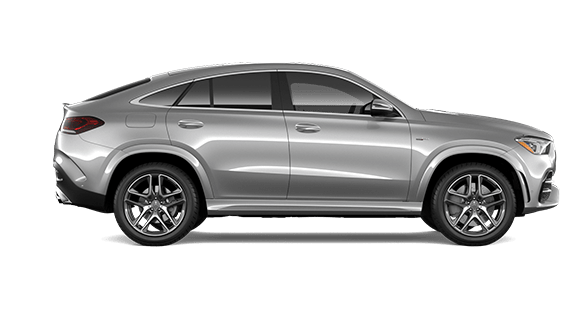
Available with models such as the Mercedes-Benz C-Class, Mercedes-Benz E-Class, Mercedes-Benz GLC, and Mercedes-Benz GLE
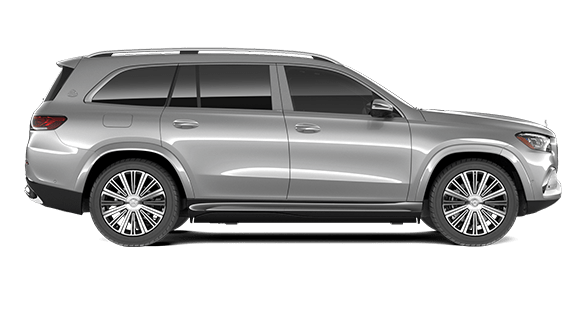
Available with models such as the Mercedes-Benz S-Class, Mercedes-Benz E-Class, Mercedes-Benz GLE, Mercedes-Benz GLS
Available with models such as the Mercedes-Benz S 500 4MATIC® sedan, Mercedes-Benz E 450 4MATIC® Sedan, Mercedes-Benz GLE 450 4MATIC® SUV
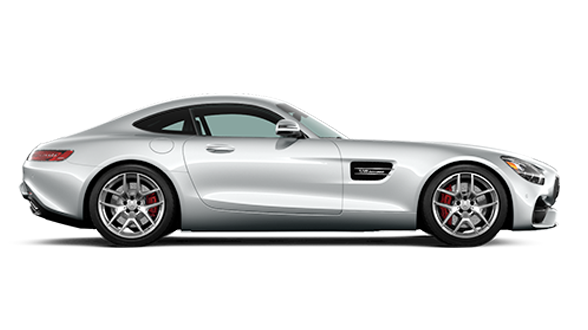
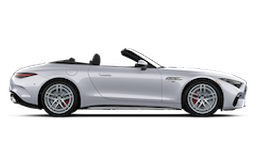
Available with the high-performance models in our Mercedes-AMG® inventory, such as the Mercedes-AMG® GT Coupe and Mercedes-AMG® SL Roadster
Available with the Sprinter Vans
Available with the Mercedes-Benz GLE 450e, the Mercedes-Benz GLC 350e, and other models in our Mercedes-Benz Plug-In Hybrid inventory
Sprinter Vans are the sole diesel-powered Mercedes-Benz models available in the U.S. Designed for strong performance on Inland Empire roads and optimized for efficiency, these turbodiesel engines are both responsive and long-lasting. The 2025 Sprinter Vans feature two turbodiesel engine options: Standard Output and High Output. Below are their specifications:
Displacement: 1950 cc
Horsepower/Torque: 170 hp/295 lb-ft
Injection: Common rail direct injection (CDI)
Displacement: 1950 cc
Horsepower/Torque: 211 hp/332 lb-ft
Injection: Common rail direct injection (CDI)
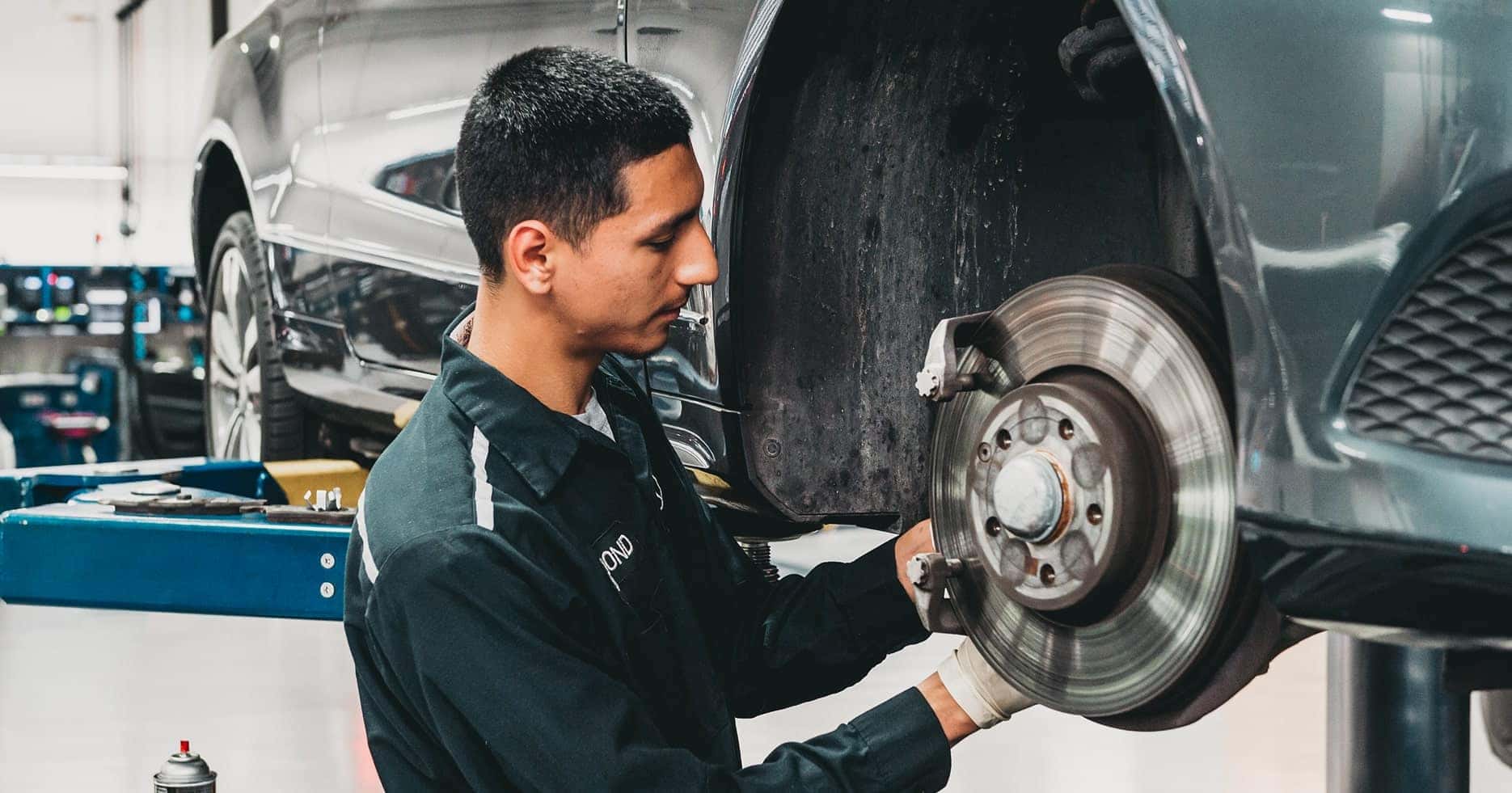
The reason why the check engine light in your Mercedes-Benz comes on can range from something simple, like a loose or faulty fuel cap, to more serious issues with the engine or emissions system. Regardless of the cause, it is best to schedule service with Mercedes-Benz of Ontario promptly to prevent engine damage and costly repairs. The expert technicians in our certified Mercedes-Benz service center can quickly diagnose and fix the issue, getting you safely back on Corona- area roads. We also offer:
If you have questions or concerns about your Mercedes-Benz check engine light, please don’t hesitate to contact our service center online or at (909) 212-8520.


Chat online with our Team Members to assist you with all your automotive needs.


Speak with one of our Team Members to learn more about car buying options.

Provide us with your best email or phone number, and we’ll reach out to you!
Our dedicated team is eager to support you on your Mercedes-Benz journey.