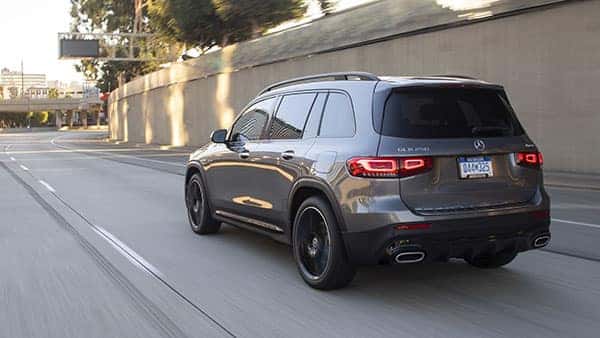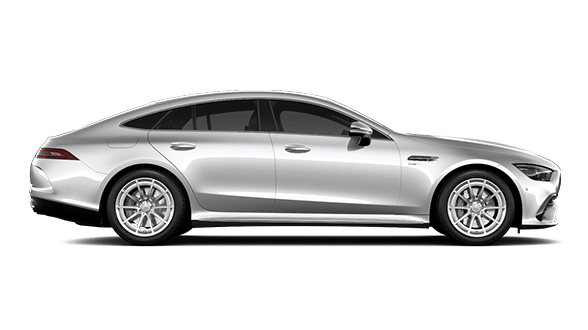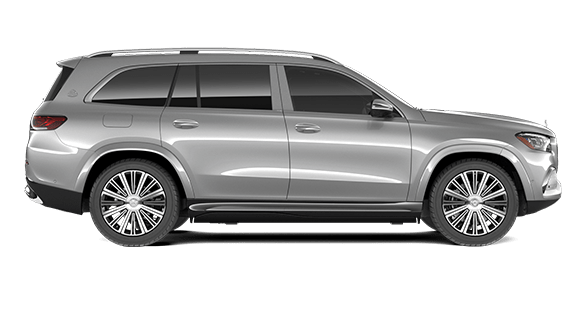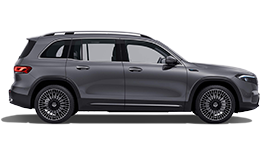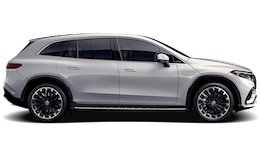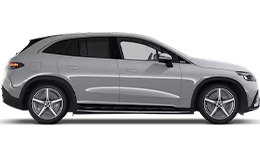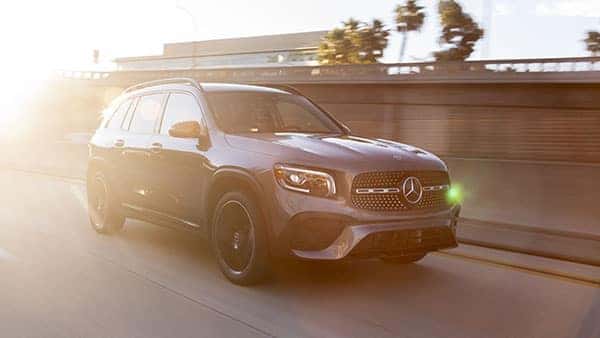
Standard Torque Vectoring Brake technology provides additional control and precision in turns via targeted rear-wheel braking. If the vehicle’s Electronic Stability Program (ESP®) detects understeer while cornering, the system applies the brake to the inside rear wheel, temporarily shifting torque distribution in favor of the outside wheel. This can help the vehicle to gently pivot in compensation, putting it on a line of travel, or vector, better suited to the turn on Fontana roads. Experience it for yourself during your test drive with Mercedes-Benz of Ontario near Chino.
Radar-based technology can alert you if you’re approaching a vehicle ahead on Rancho Cucamonga roads, or even some stationary objects, at a speed and distance that suggest a collision is likely. As soon as you start to brake, it can automatically provide an appropriate level of braking to help prevent a collision or reduce its severity. If you fail to respond, it can also initiate braking automatically at a range of driving speeds. The system can also detect and react to crossing pedestrians in Fontana at typical city speeds.